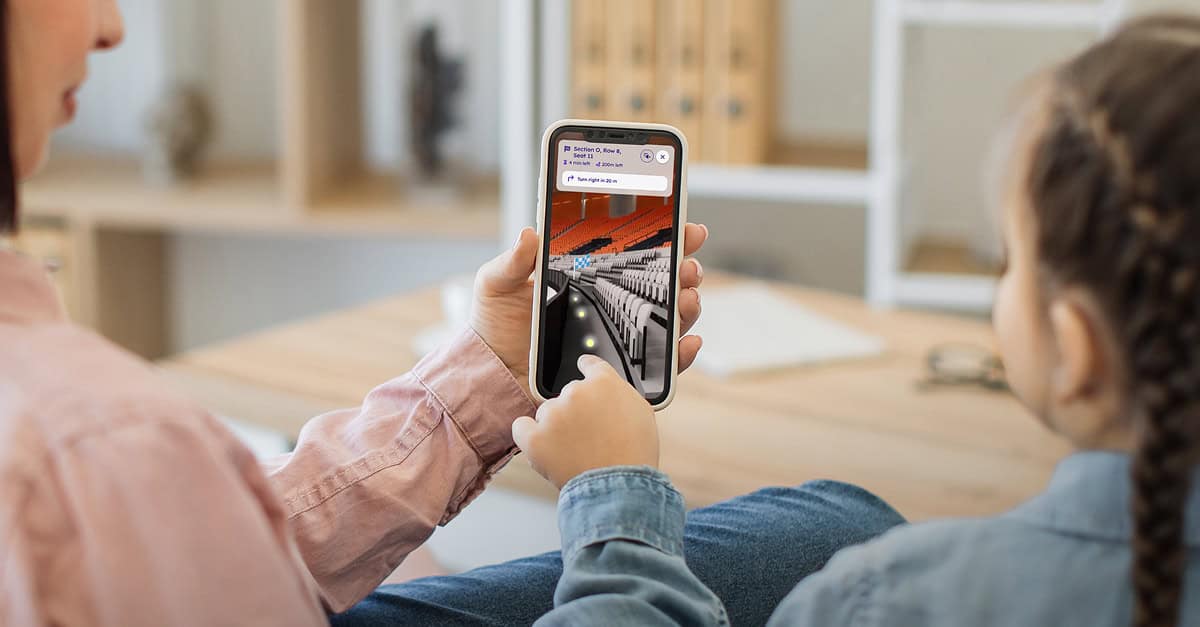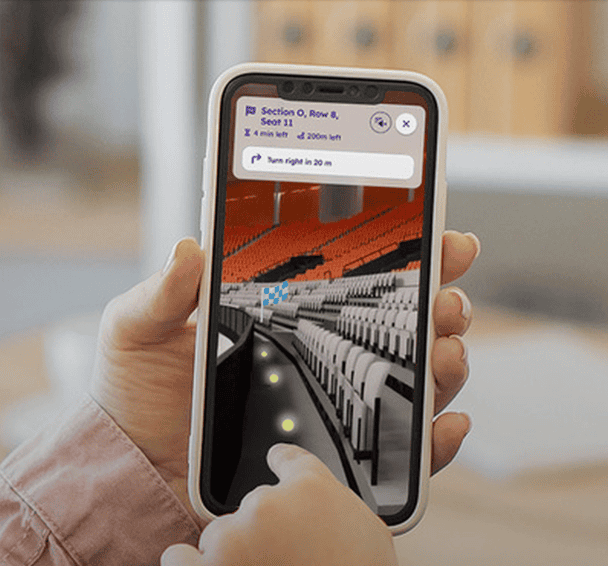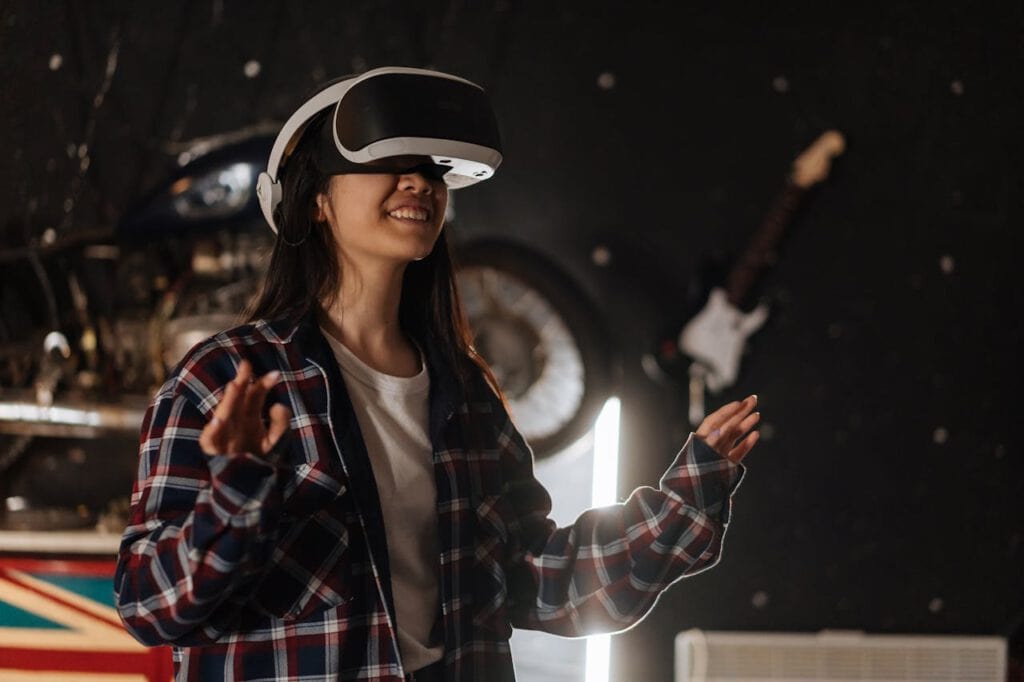
Across Europe, cities are investing in digital twins, AI and immersive technologies to better plan and manage urban environments. But what if these technologies could also help people feel confident about visiting a place before they even get there?
For many citizens, uncertainty about accessibility, crowds or unfamiliar environments can be a barrier to participation. What does the place look like? Where is the wheelchair entrance? How loud will it be? Is there a quiet space nearby? These questions can determine whether they can participate at all. This is where digital twins can make a real difference — not only for planning, but for everyday life.
This is the central message in the project's newly published insights report “I want to go there now!”.
The report has been developed within the inclusive user centric design process, led by Our Normal Association, in close collaboration with consortium partners. It builds on the project’s initial user research phase and draws on surveys, interviews and real-world observations involving families of children with disabilities. Four main categories of barriers have been identified that limit participation in city and event environments: attitudinal, physical, sensory and information-related. These insights now form a structured foundation for the project’s continued technical and service development.
The report further outlines five opportunity spaces where Citiverse and digital twin technologies can strengthen inclusiveness, including digital previews for preparation and planning, AI-supported accessibility navigation, adaptive information interfaces and real-time responsiveness based on live data.
A key recommendation is the use of shared data standards and open APIs to ensure that inclusive solutions can be reused and integrated across cities and services. Inclusiveness is therefore positioned not as a feature, but as a structural principle within interoperable digital public infrastructure. The insights now inform the project’s ongoing prototype development, strengthening the link between user-centred research, open architecture and long-term scalability across European urban contexts.
“Many cities are investing in digital twins for urban planning. This project shows how the same technology can also contribute to greater accessibility and create new, more inclusive ways of experiencing the city,” says Project Manager Anna Wennblad, Lindholmen Science Park, technical coordinator of the project.